Irish Jones Blog
Matt Irish Jones
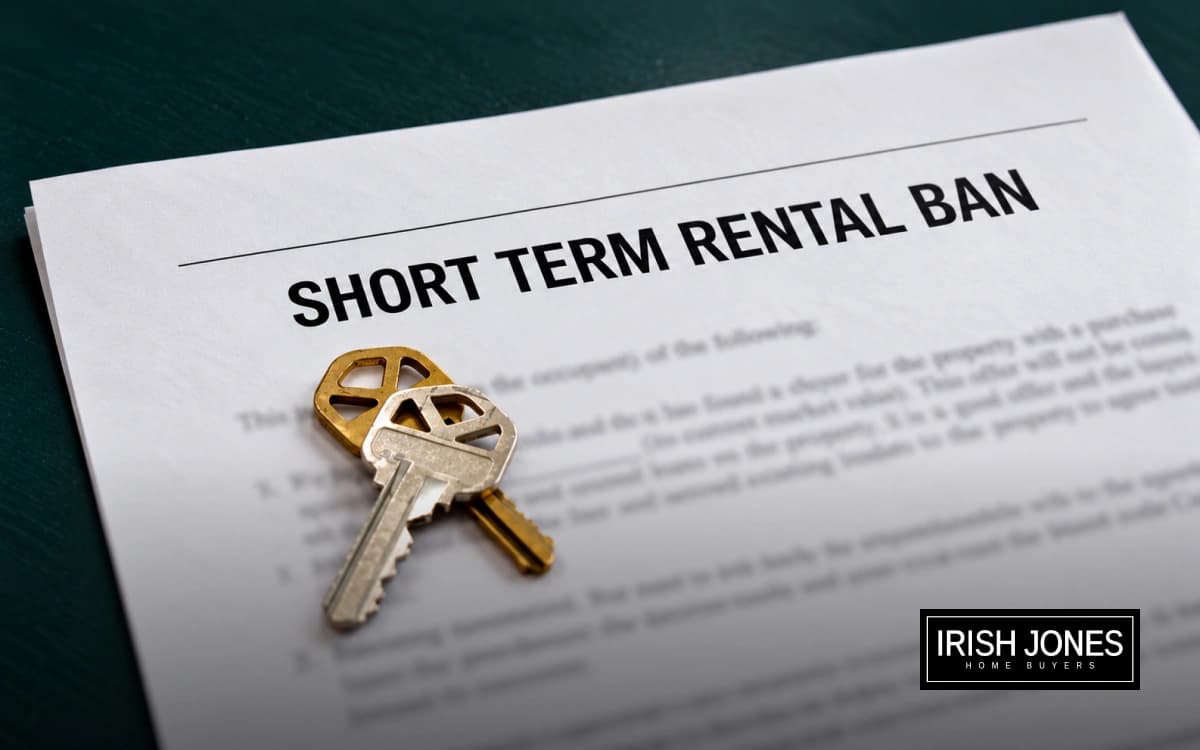
If you’ve been searching for the short term rental ban in Buffalo, NY, here’s the plain answer. Buffalo has not banned all short-term rentals. But since April 2025, it has barred new non-owner-occupied rentals from residential zones, and the city, Erie County, and New York State each add their own licensing and tax rules on top.
This is an educational overview, not legal advice. Rules change, so verify the details for your exact address with the City of Buffalo and a New York attorney.
“Ban” is shorthand for a set of restrictions, not a citywide prohibition. Buffalo has required short-term rental hosts to register with the Department of Permit and Inspection Services since November 2019.
Then enforcement tightened. The city ordered 184 of its 460 short-term rental units shut down over improper licenses (WKBW). In December 2024, the Common Council paused new applications for certain permits. In April 2025, it approved a new ordinance: non-owner-occupied short-term rentals are now banned from residential zones (WIVB).
Three layers of government apply:
Whether you live on-site is the dividing line in Buffalo’s rules.
Non-owner-occupied rentals in residential neighborhoods now need a variance from the Zoning Board of Appeals (Buffalo News). New ones are pushed toward commercial and mixed-use districts.
Owner-occupied rentals have more room. The 2025 changes allow buildings with more than two units to be used for short-term rentals, as long as the owner lives in the building. That opens a path for owners living in one side of a double.
Grandfathering. Owners who already held a legal license can keep operating. The new rules apply to those seeking new licenses.
Reporting on the new framework also described limits on holding more than two properties or four rental units, a requirement to live in the city or hire a local property manager, and a 5% cap on short-term rentals in historic districts (WIVB). Confirm the current caps with the city.
The 30-day line. Under New York State’s tax rules, a short-term rental is a stay of less than 30 days. Stays of 30 days or more fall outside that definition.
Enforcement here is real. The 2024 shutdown order covered roughly 40% of the city’s short-term rentals.
City enforcement. Operating without a valid license or in the wrong zone puts your rental at risk of a shutdown order.
County tax enforcement. Erie County charges a 5% penalty for the first month a tax payment is late. Operators who don’t remit can face a tax warrant filed against them and the property (Erie County Comptroller).
State tax exposure. Uncollected sales tax on short stays can create a back-tax problem with New York State.
Many Buffalo STRs were bought on nightly-rate math. When a property can’t get a new license, or a grandfathered license can’t transfer value to a buyer, the numbers change fast.
The investors in the hardest spot bought a single-family home in a residential zone, financed it on Airbnb income, and now face a property that may only qualify for long-term use. A buyer who wants to keep it as an STR may not be able to get a new license, which shrinks the pool of buyers willing to pay STR-level prices.
Erie County occupancy tax. Since January 4, 2024, STR operators must register with the Erie County Comptroller, collect a 3% occupancy tax, and file returns (Avalara).
New York State sales tax and registry. As of April 2025, New York’s hotel sales tax covers short-term rentals of less than 30 days, and hosts must register with the Department of State, with limited exceptions (Sax Advisory). This applies statewide, whatever the local rules.
| Layer | Requirement |
| City of Buffalo | License, zoning compliance, special use permit where required |
| Erie County | Comptroller registration, 3% occupancy tax, returns |
| New York State | Sales tax on stays under 30 days, DOS registration |
If selling fits, Irish Jones Home Buyers buys former short-term rentals as-is, furnished or not. See selling a vacant house in Buffalo, selling a house with tenants, or request a cash offer. Call 716-768-4915.
Buffalo’s rules stop at the city line. Surrounding towns like Amherst, Cheektowaga, Tonawanda, and Hamburg write their own STR rules, and some, like Clarence, have their own applications. Erie County’s occupancy tax and New York’s sales tax apply everywhere. Never assume one jurisdiction’s rules carry over to another.
Are Airbnbs banned in Buffalo, NY?
No. New non-owner-occupied rentals are barred from residential zones without a variance, but owner-occupied rentals and properties in permitted zones can still be licensed.
My Buffalo Airbnb was licensed before 2025. Do I have to shut it down?
Existing legally licensed rentals were allowed to continue. Keep your license and renewals current so you don’t lose that status.
What taxes do I pay on a short-term rental in Buffalo?
Erie County charges a 3% occupancy tax, and New York State applies sales tax to stays under 30 days.
Can I sell my Buffalo Airbnb with the furniture in it?
Yes. A cash buyer can purchase the property furnished and as-is, so you skip the cleanout.